アラスカ その1 / Alaska Part 1 – Matanuska Glacier

I went to Alaska, a vast land of wilderness in the far north. It’s like the Hokkaido of Japan, bustling with tourists in summer (though I’d love to visit in winter, too). It was a family trip, but I had plenty of time for photography, so I’d like to share some highlights.

We visited in late June, the time of year with the longest daylight. Sunrise was around 4:30 a.m., and sunset around 11:30 p.m. I didn’t check directly, but it likely never got completely dark. The weather was cool even in summer. Glaciers and the ocean felt cold, but overall it was comfortable, about the same as San Francisco. Makes you realize just how cool San Francisco is.

Starting from the major city of Anchorage, nearly all destinations require 2 to 4 hours of driving, so renting a car is essential.

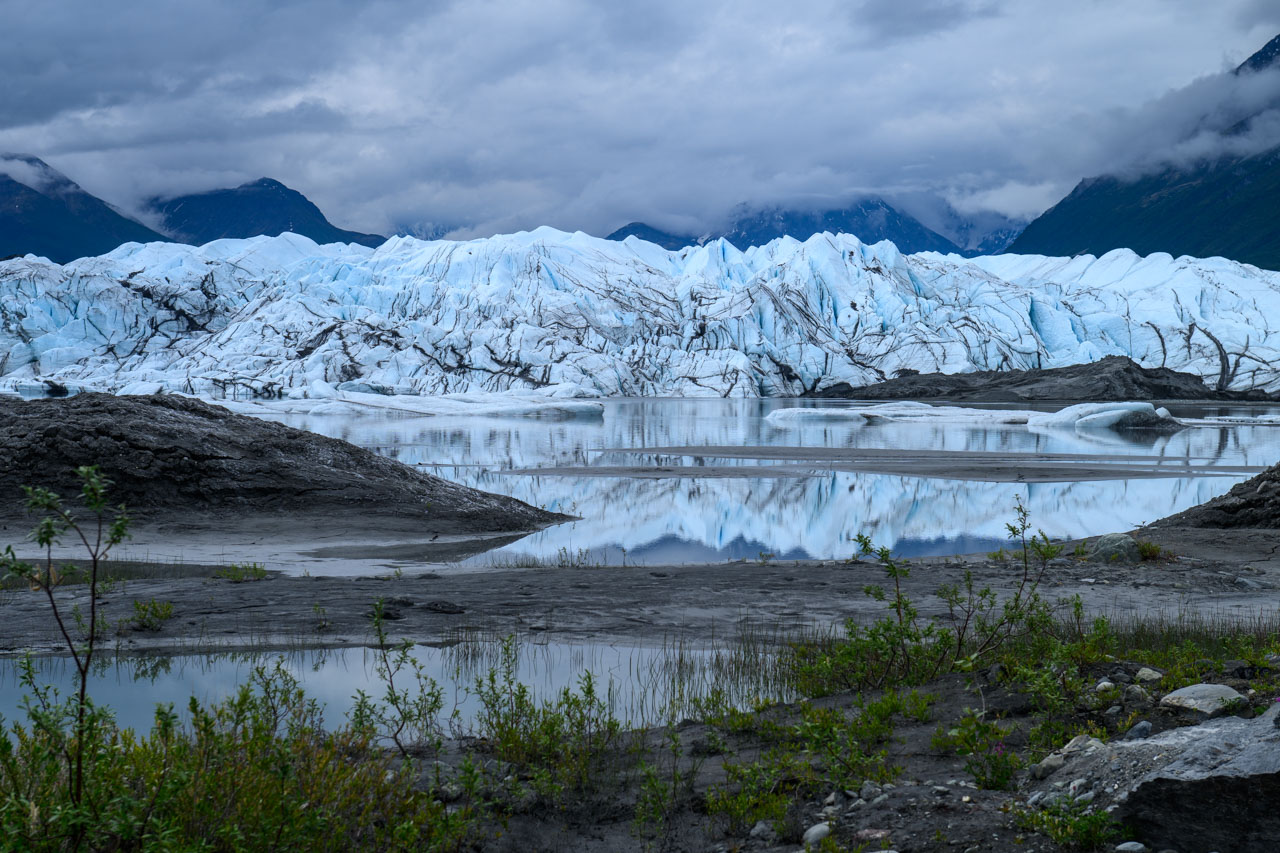
Our first destination was the Matanuska Glacier. It’s the largest glacier in Alaska accessible by road and offers guided glacier walks and other tours. This time, we joined a tour offered by Nova Alaska Guides.
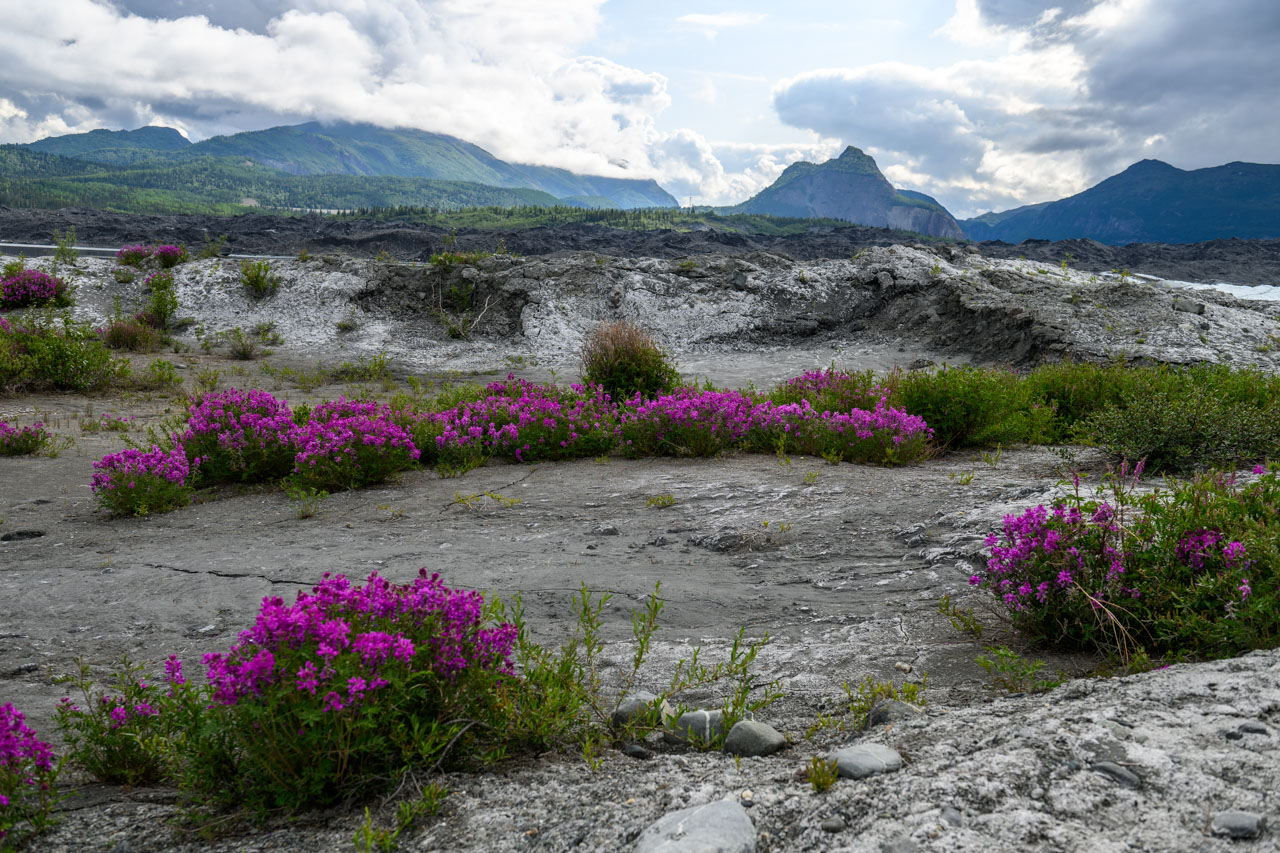
Purple Alaska Sweet Pea growing on glacial deposits at Matanuska Glacier
Driving down an unpaved road, we reached the glacier’s front face. Access to the Matanuska Glacier requires passing through a private gate, and a separate access fee is charged regardless of the tour. Downstream from the glacier, gray sediment spreads out, with bright purple blooms of Alaska sweet pea. This legume is excellent at nitrogen fixation, allowing it to thrive in nutrient-poor glacial deposits.
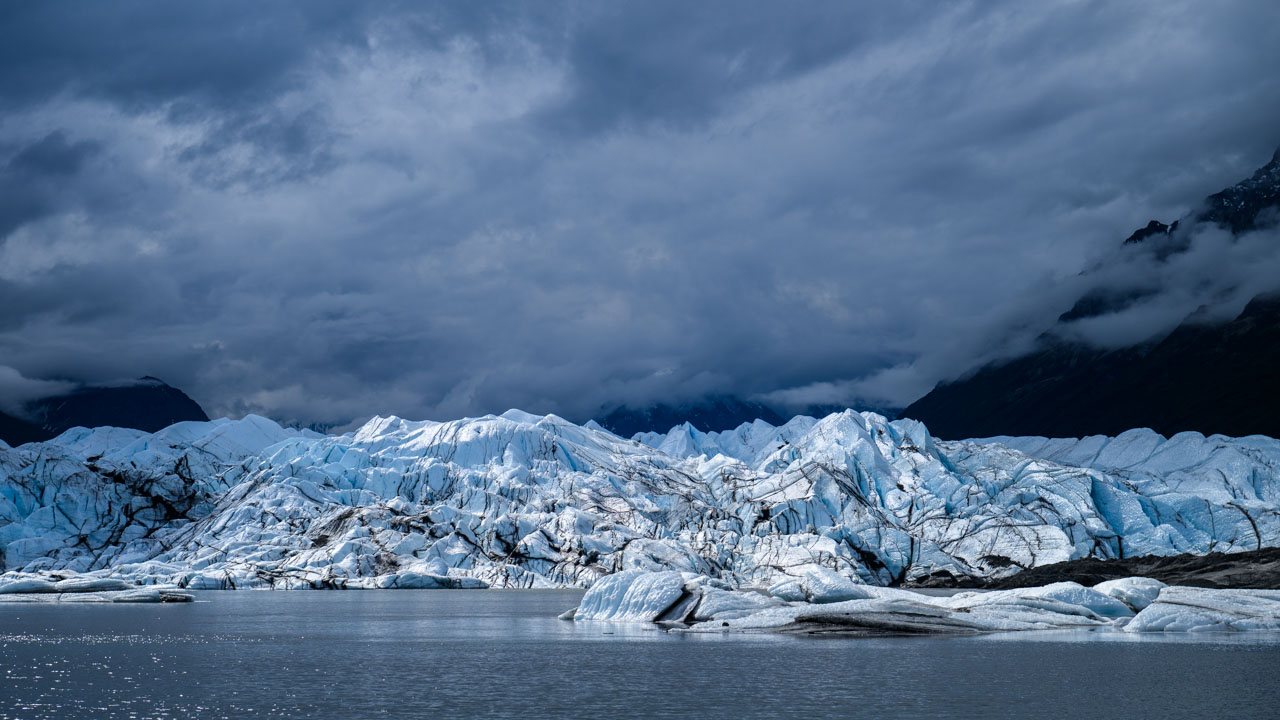
Matanuska Glacier
Matanuska Glacier
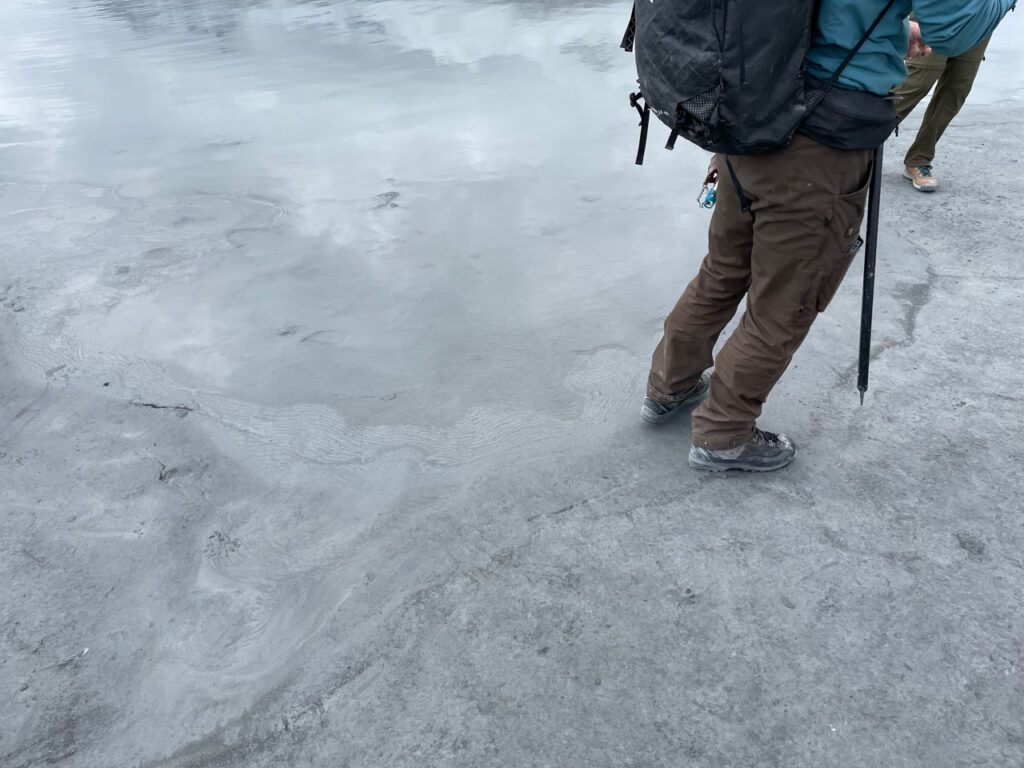
Gray-white clay-rich glacial sediments at Matanuska Glacier
The glacial sediment carved out by ice is smooth and clay-like, showing how it was worn down little by little under immense pressure.
Matanuska Glacier with sunlight breaking through an overcast sky
For a moment, sunlight broke through and lit up the glacier.
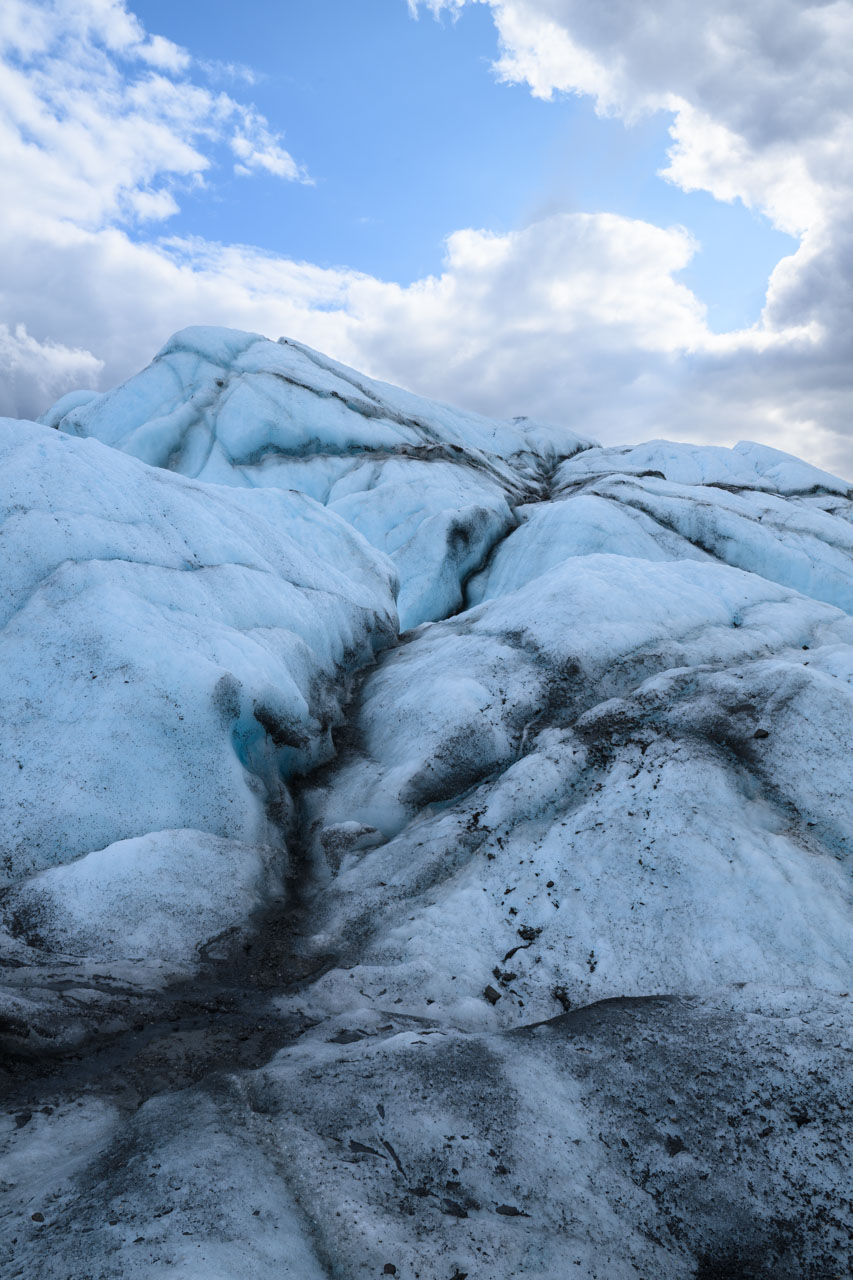
Matanuska Glacier marked with dark streaks formed by sediment deposits
When cracks form in the ice, water flows in and deposits settle, turning the surface black.
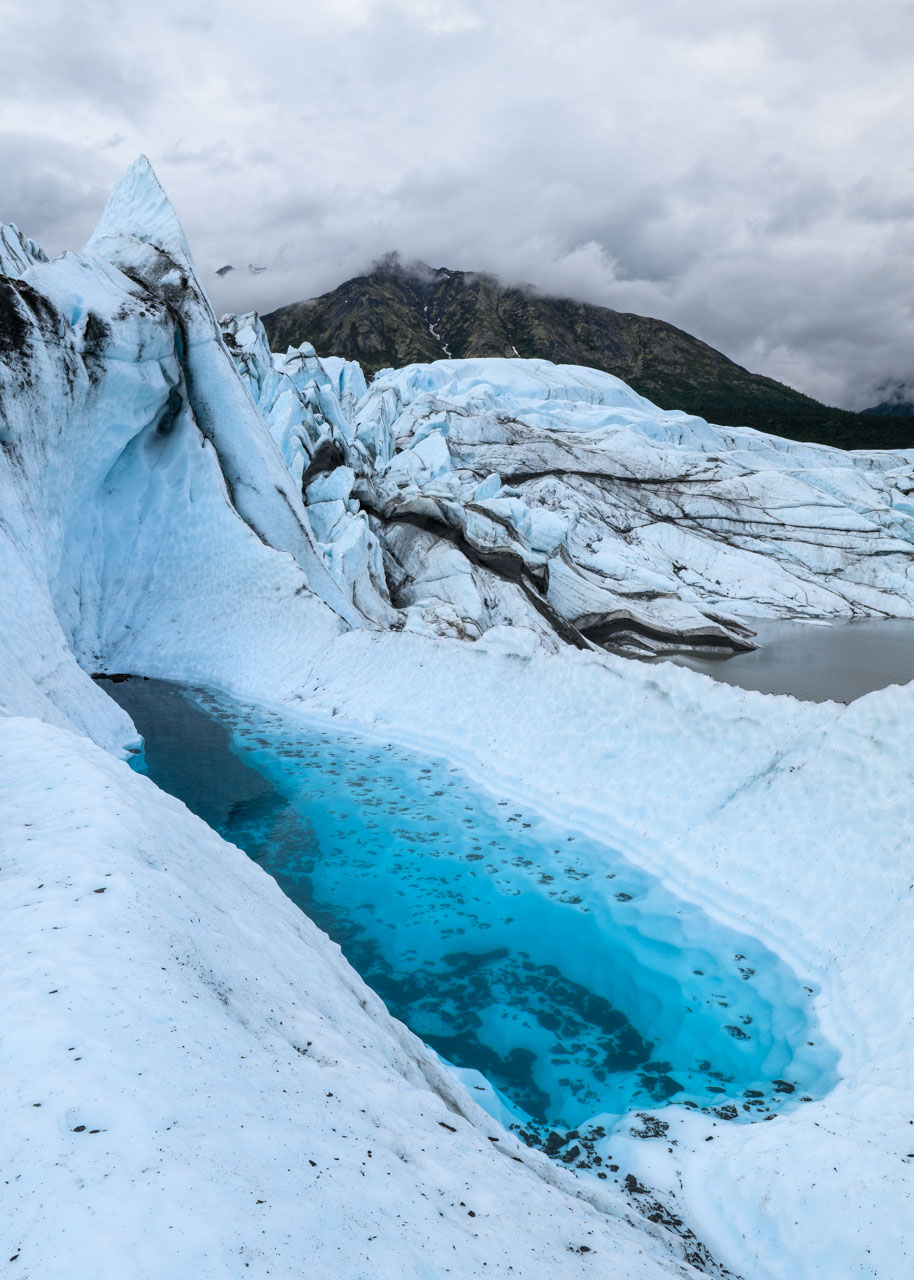
Blue meltwater pools formed on the surface of Matanuska Glacier
A blue meltwater pool. With climate change, the glacier is slowly retreating, and since it is made of ice and water, it likely won’t last forever.
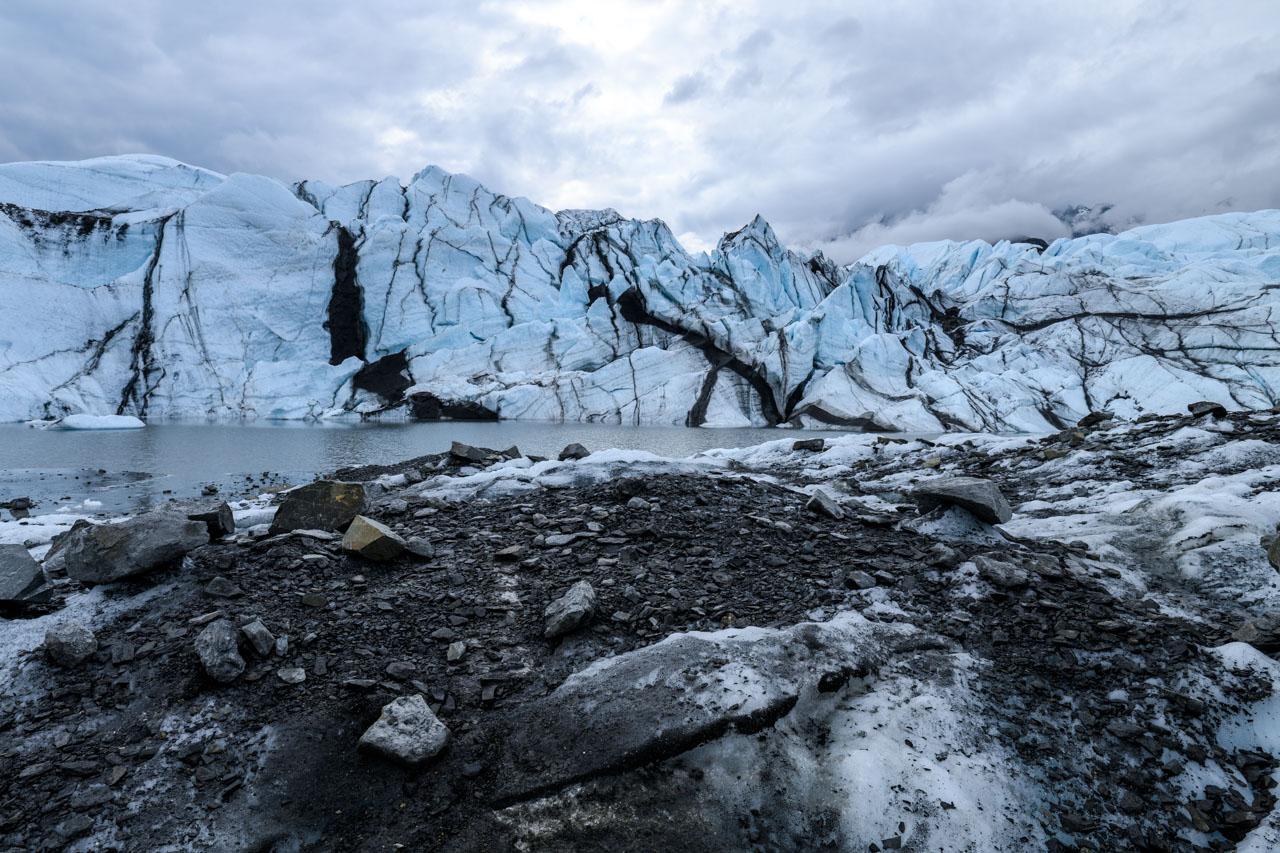
Glacier terminus of Matanuska Glacier with dark sediments spreading across the foreground
The wind around the glacier is cold, so even in summer, it’s best to bring warm clothing.
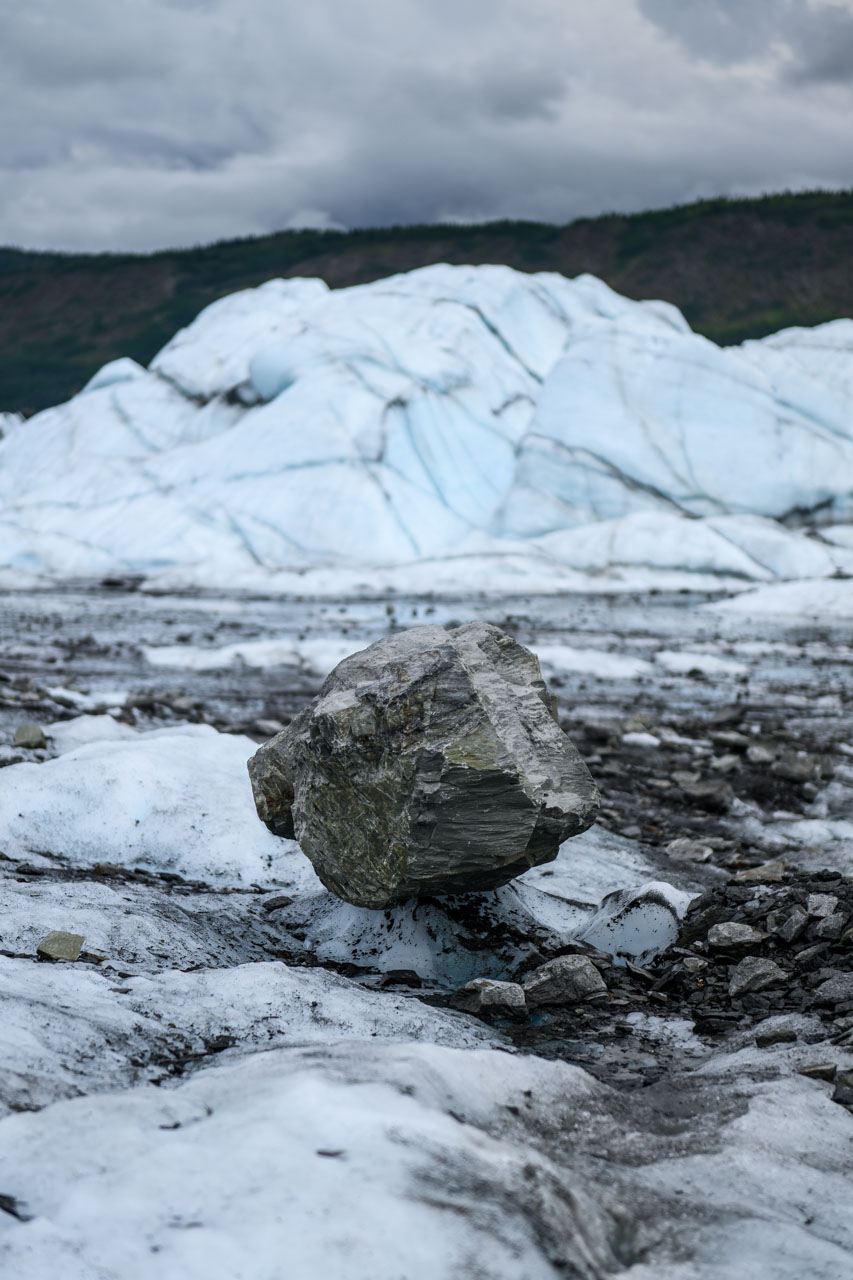
Large boulders left behind after ice melt at Matanuska Glacier
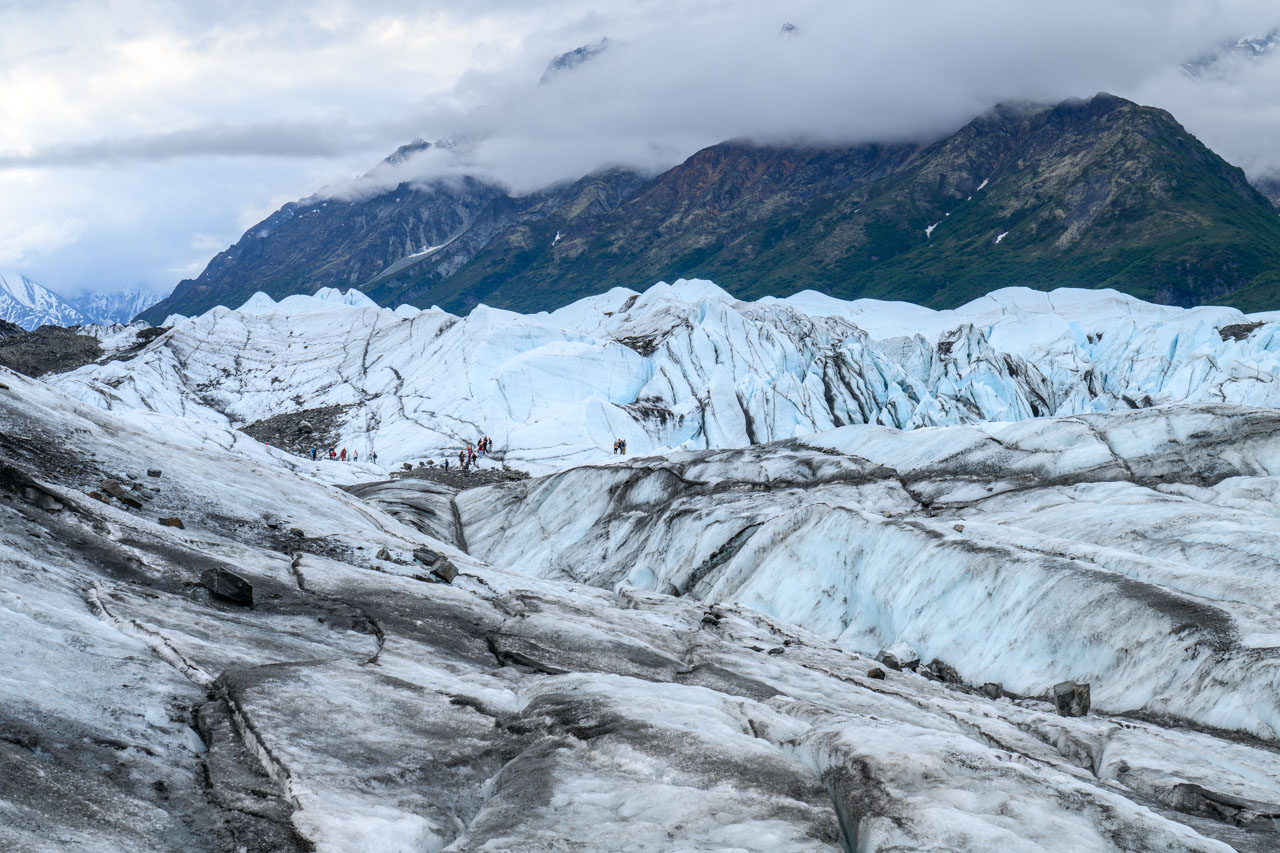
Matanuska Glacier with mountain ranges stretching across the background
Many groups come and go. If you want to take photos, early morning is your best bet.

Continued in part 2 (Denali National Park).

Leave a Reply

Your email address will not be published. Required fields are marked *