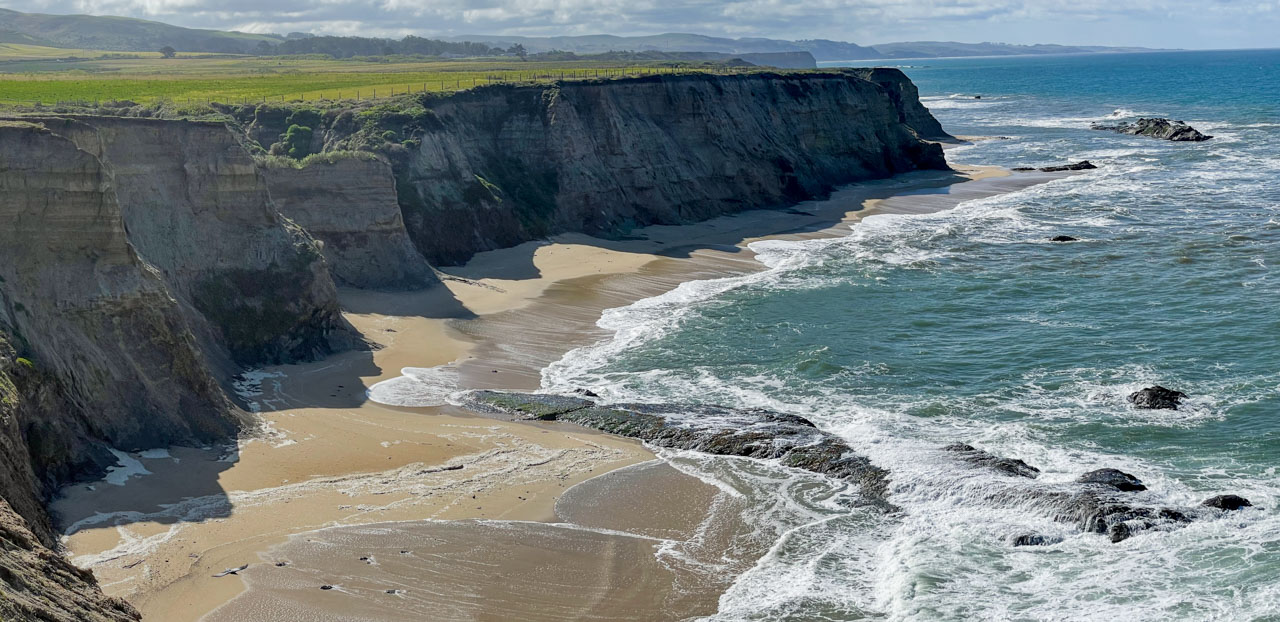
アビを求めて / Searching for Loons – Pescadero State Beach

Just to clarify, there are no loons in this post! I couldn’t find any…

In North America, loons spend the summer inland in places like Canada and move to coastal areas in the winter. According to eBird, they are commonly reported along the open ocean near the San Francisco Bay Area. To observe seabirds, you obviously need to go to the coast. However, there’s a problem.

There are few freely accessible beaches.

To be precise, there are many beaches. However, most of them are designated as State Beaches, managed by the state, and you have to park in a paid lot to access the shore. If I had to pay a parking fee at every location just for a quick survey, it would add up quickly.
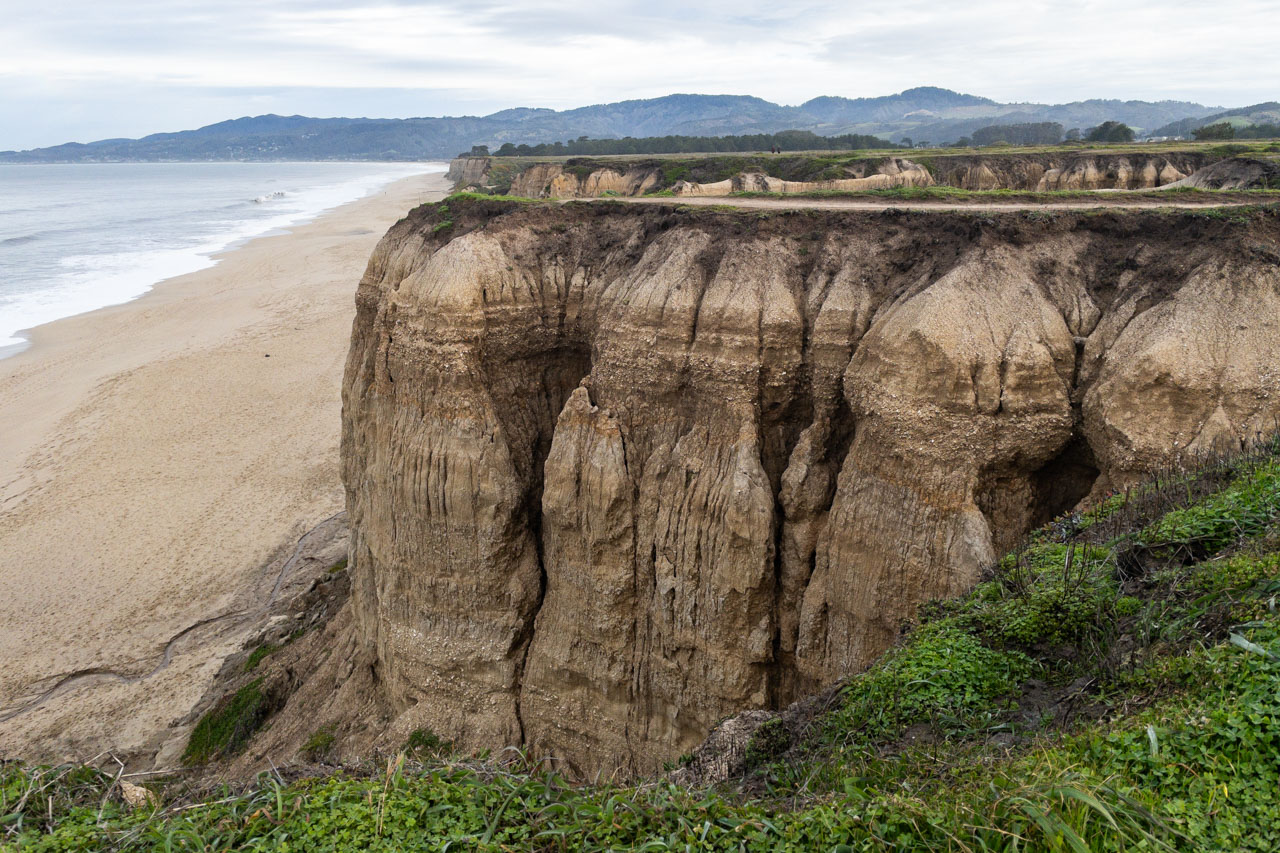
Coastal landscape at Half Moon Bay
Coastal areas near the San Francisco Bay Area. Some free parking lots exist, but they’re often poorly maintained, with deep potholes.

In the U.S., vast natural landscapes stretch out wherever you go, making it seem like you can explore freely. However, from what I’ve observed so far, the reality is quite the opposite. First, private land ownership is taken very seriously. Even in places that seem completely uninhabited, private property is usually fenced off. I have no intention of trespassing, of course, but it still feels restrictive, as if every piece of land is loudly declaring, “This is mine!” Additionally, public lands (at least in California) are strictly regulated, often with set operating hours like 8 AM to 5 PM. Unlike in Japan, where you can enter parks and natural areas freely 24/7, unrestricted access is rare here. This makes photography challenging. I assume it’s because keeping them open at all hours could lead to crime.

That was a long preface. In any case, finding a freely accessible and well-maintained beach was the first step. As I continued south from Half Moon Bay, I found a well-managed free parking area at Pescadero State Beach.
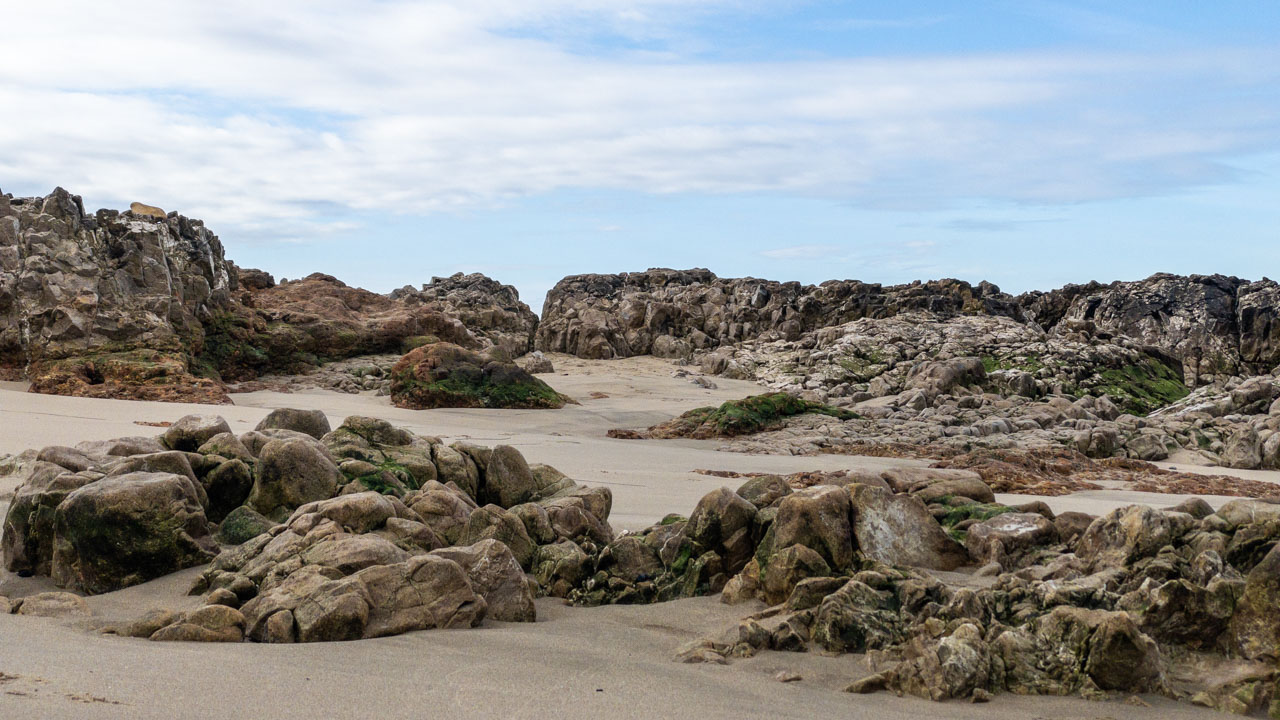
Sandy beach and rocky shoreline at Pescadero Beach
The shoreline at Pescadero State Beach consists of both rocky areas and sandy beaches. The parking lot has restrooms, but the interior is covered in graffiti, making it somewhat uninviting. Ah, so this is what happens when a place is open 24 hours…
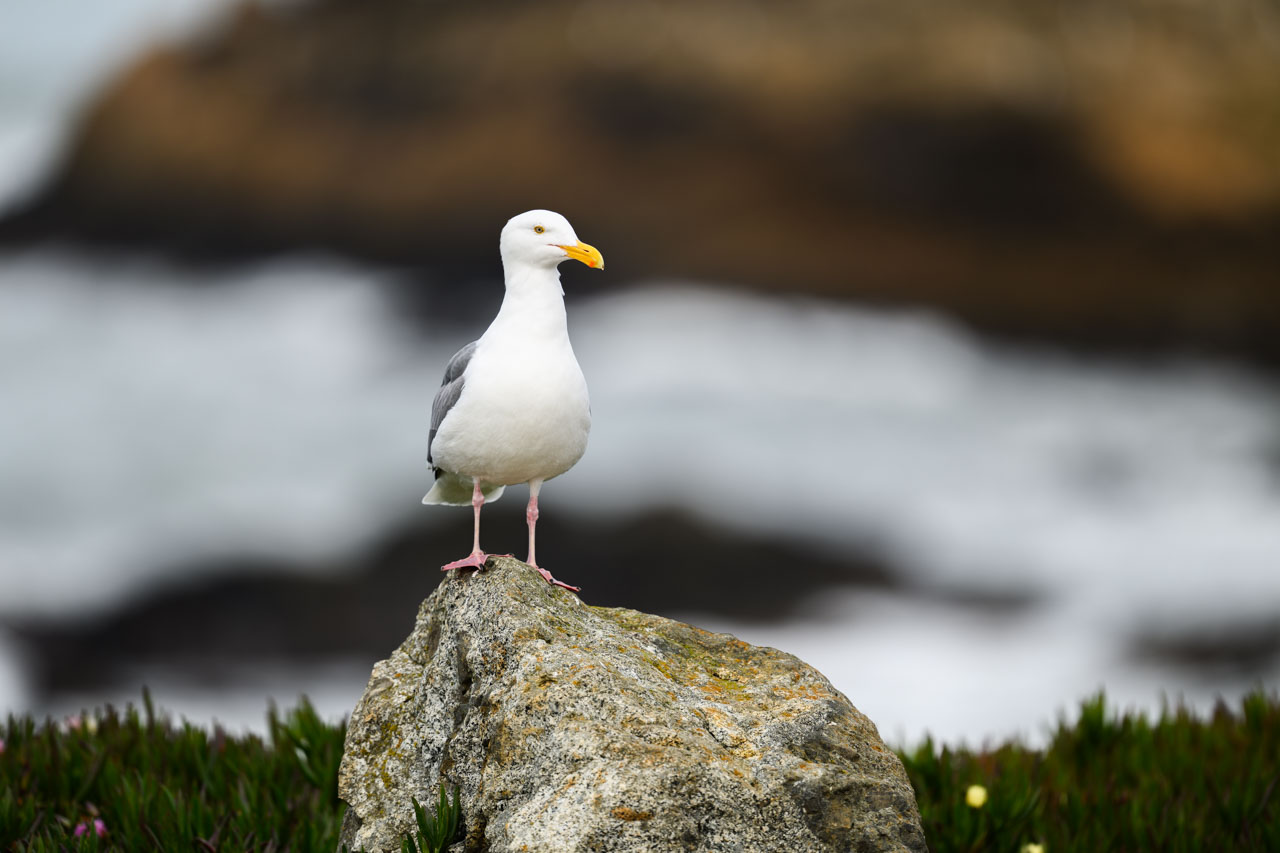
Western Gull standing on coastal rocks at Pescadero Beach in winter
Western Gull.
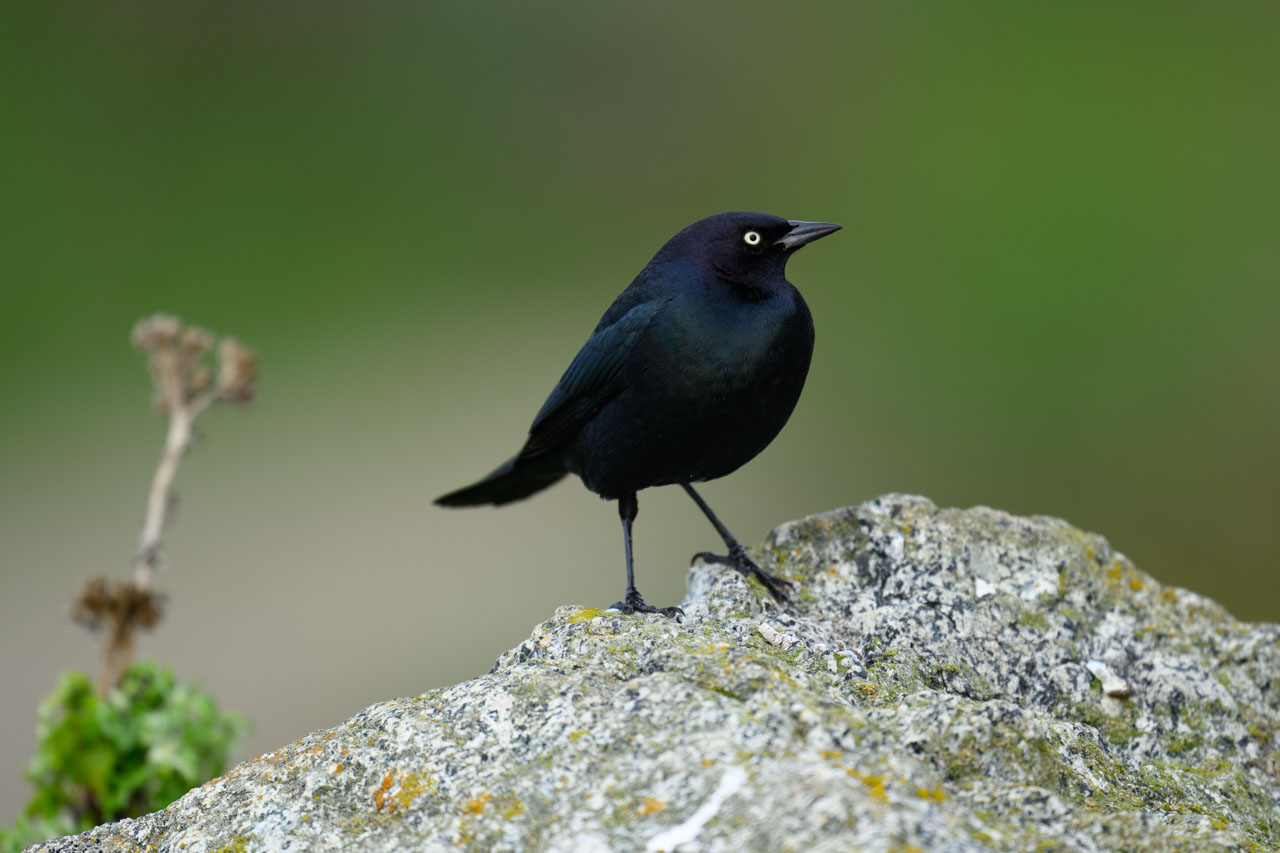
Male Brewer’s Blackbird standing on a rock at Pescadero Beach in winter
Brewer’s Blackbird, commonly found in coastal towns and pastures. I don’t see them as often around the bay. Though they appear completely black, their subtle coloration is visible in overcast lighting.
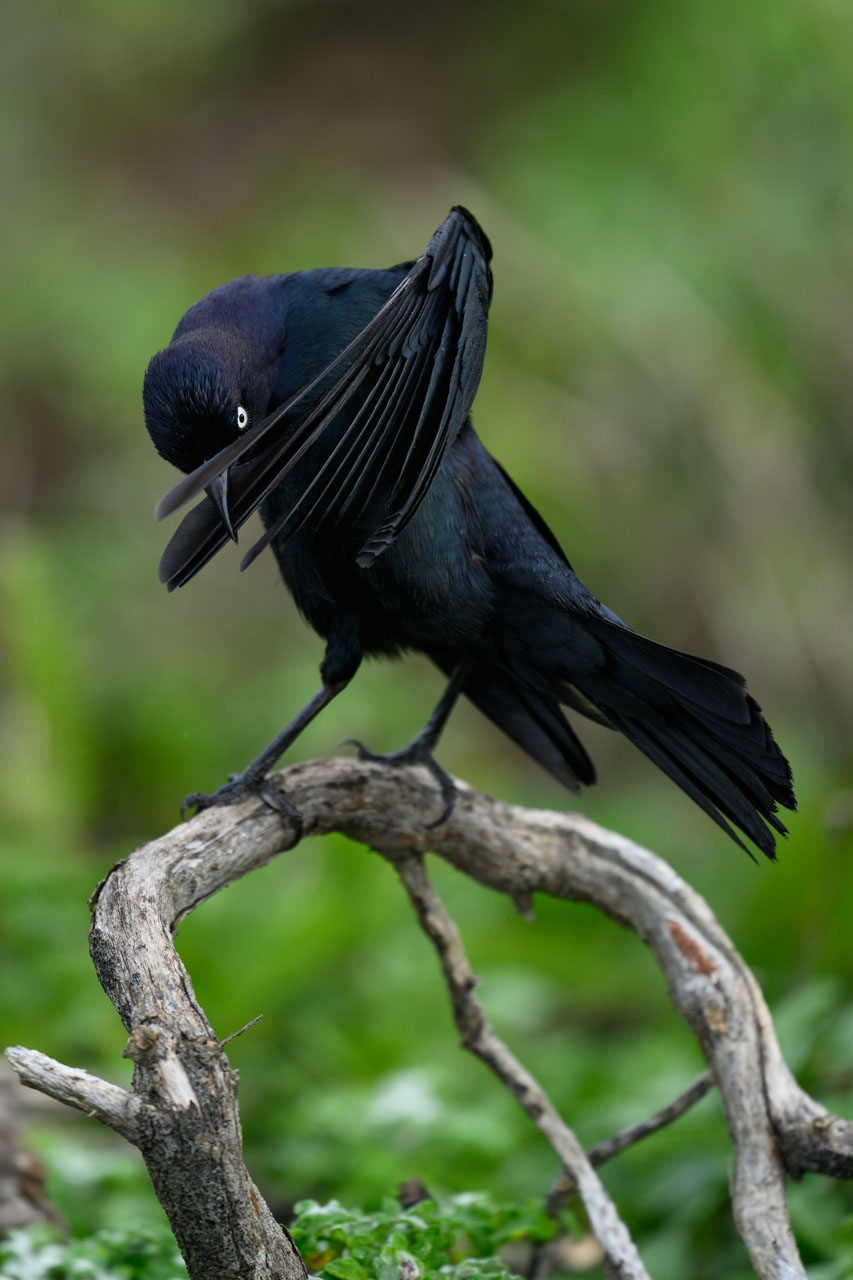
Male Brewer’s Blackbird preening on a branch at Pescadero Beach in winter
Busy preening and striking a dramatic pose, as if saying, “Behold my cursed eye!”
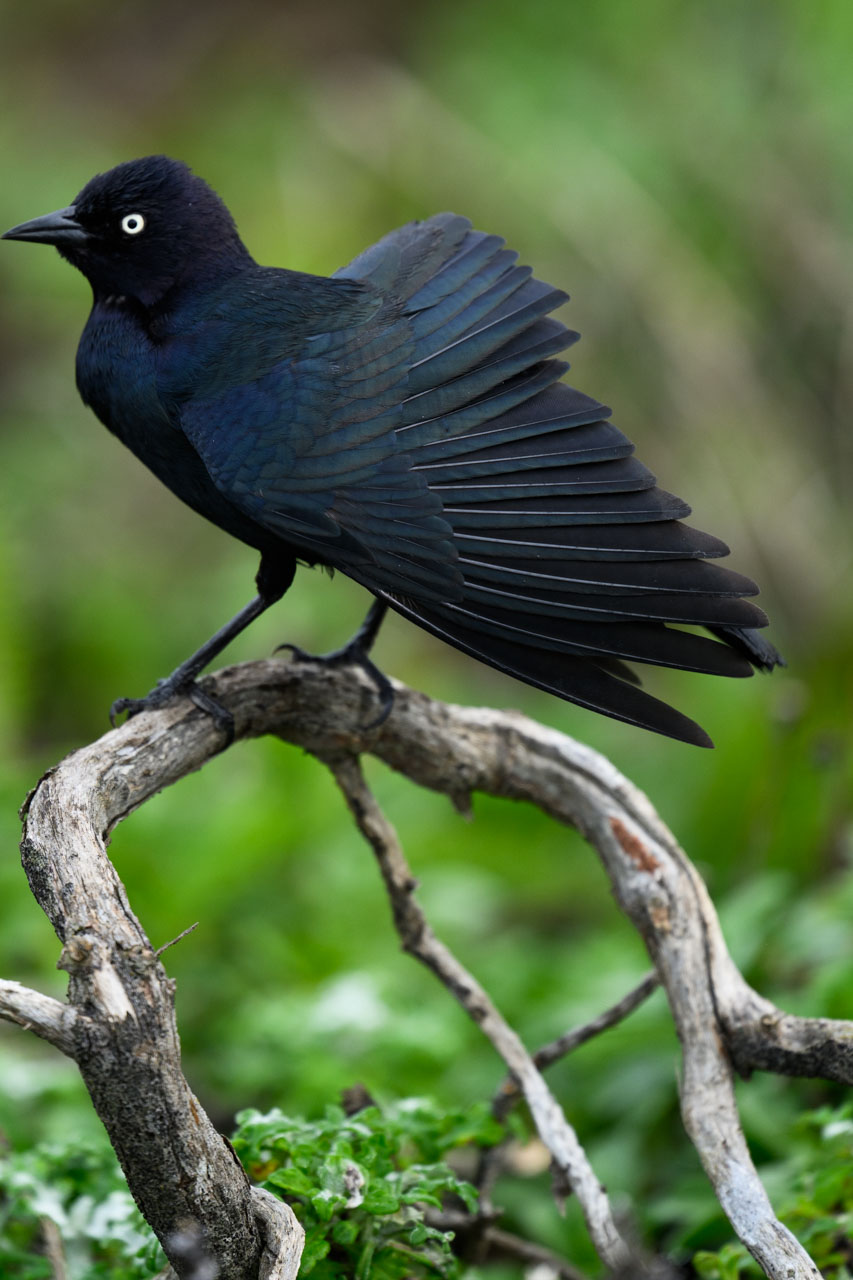
Male Brewer’s Blackbird preening on a branch at Pescadero Beach in winter
Showed me many different postures.
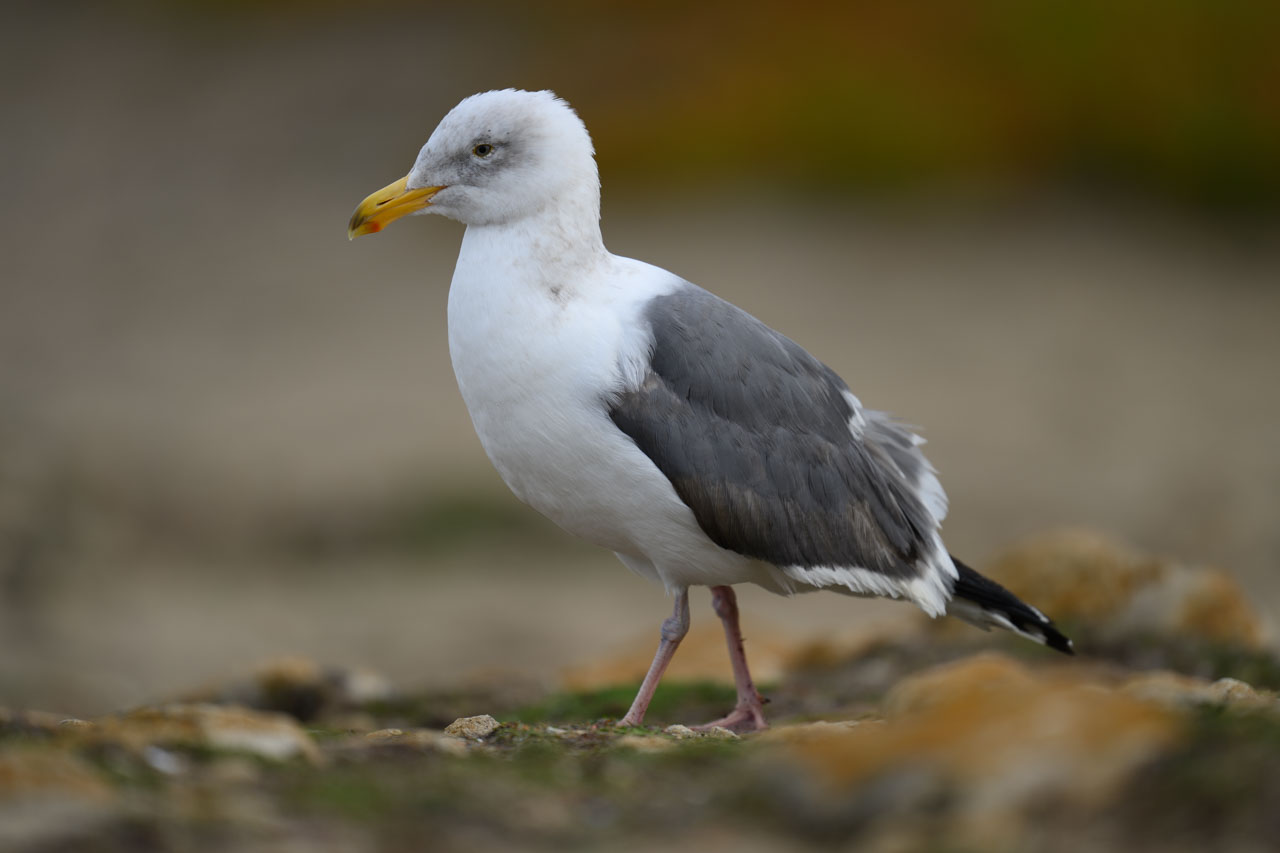
Western Gull walking along the beach at Pescadero Beach in winter
Another Western Gull, a slightly younger one.
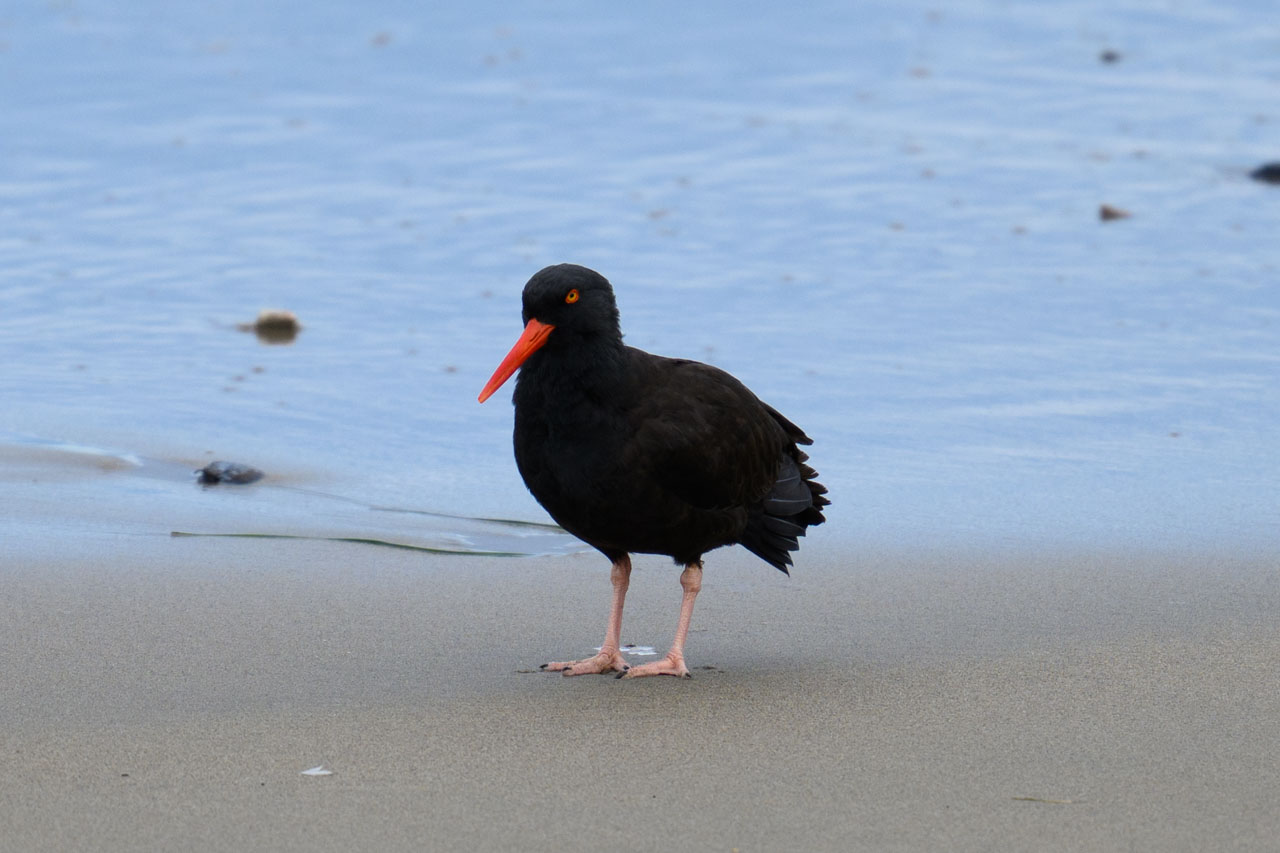
Black Oystercatcher at the water’s edge at Pescadero Beach in winter
Black Oystercatcher. I couldn’t get very close.
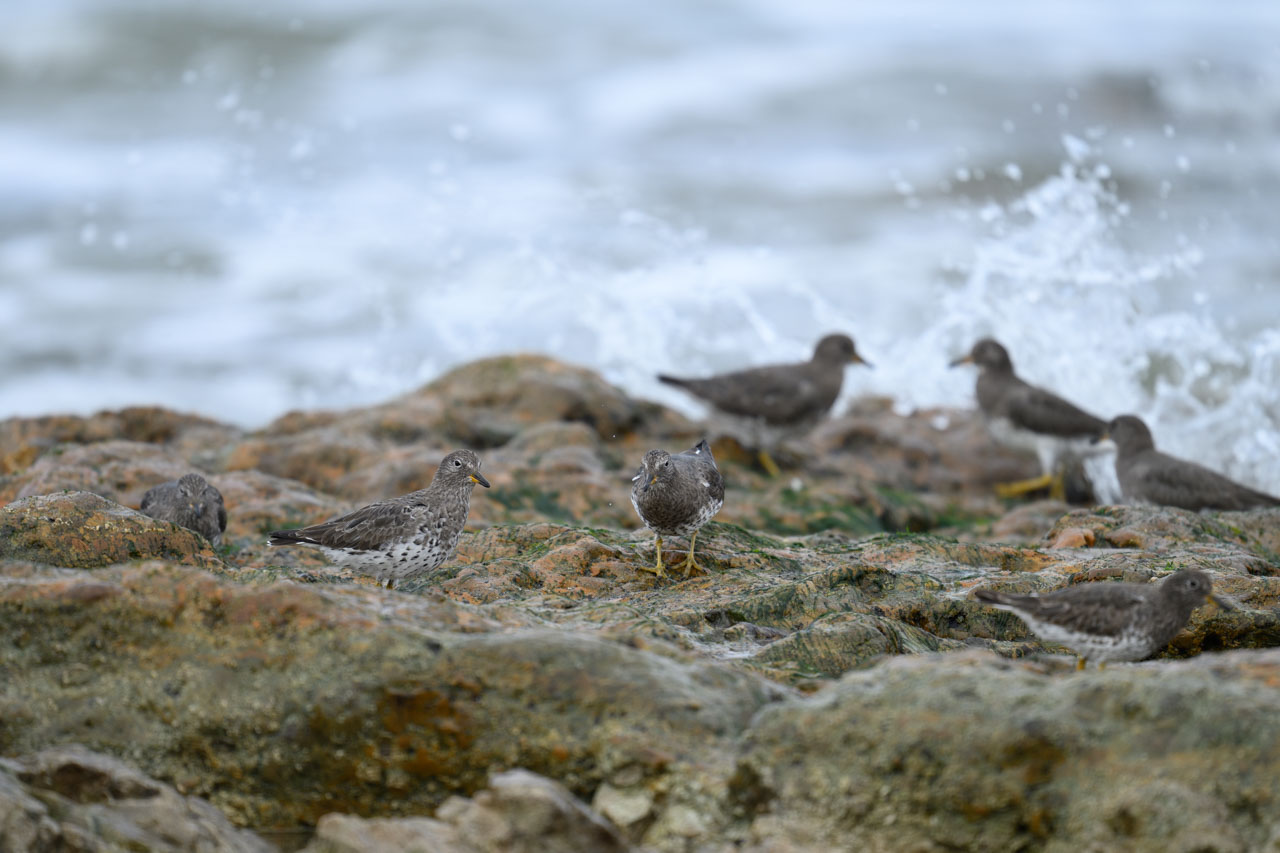
Group of Surfbirds on rocky shoreline at Pescadero Beach in winter
Surfbirds gathering on the rocky shoreline as waves crash around them.
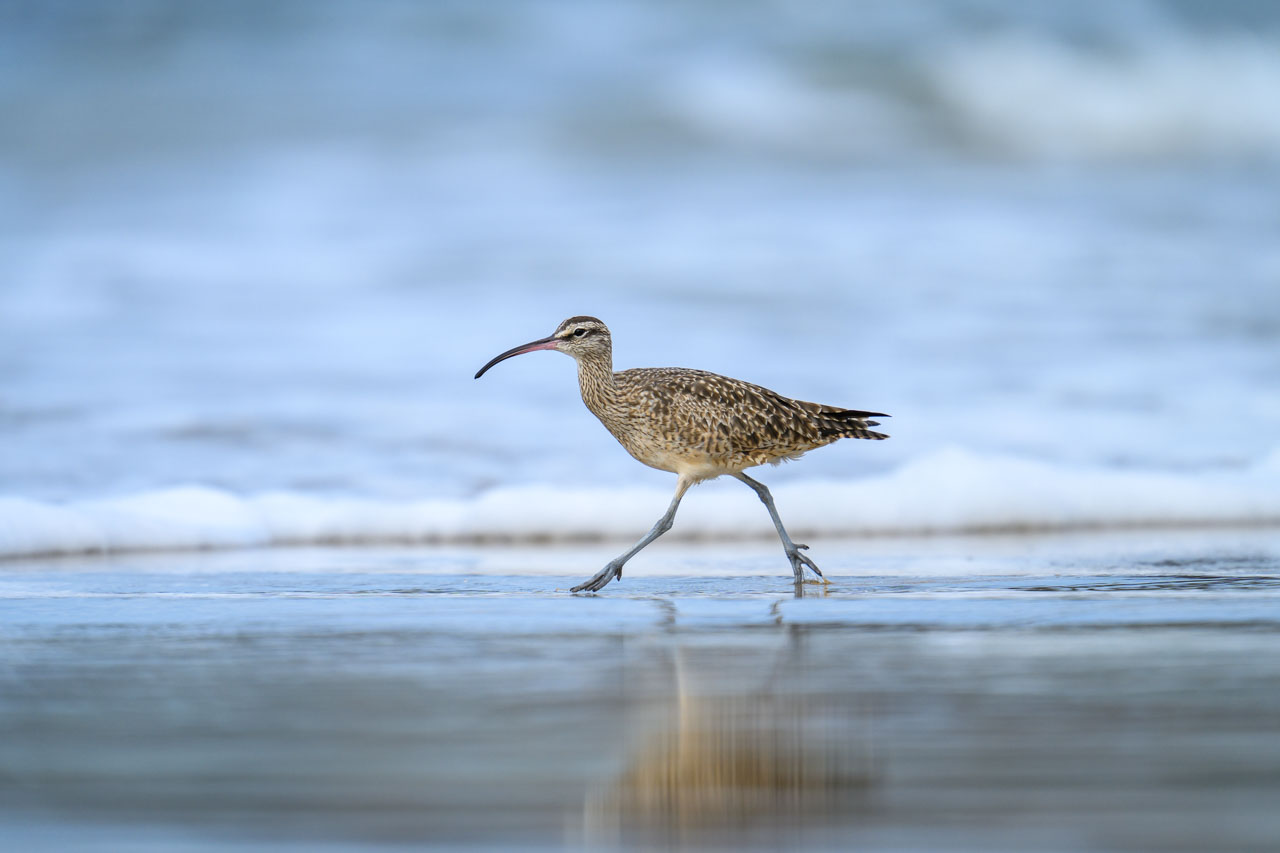
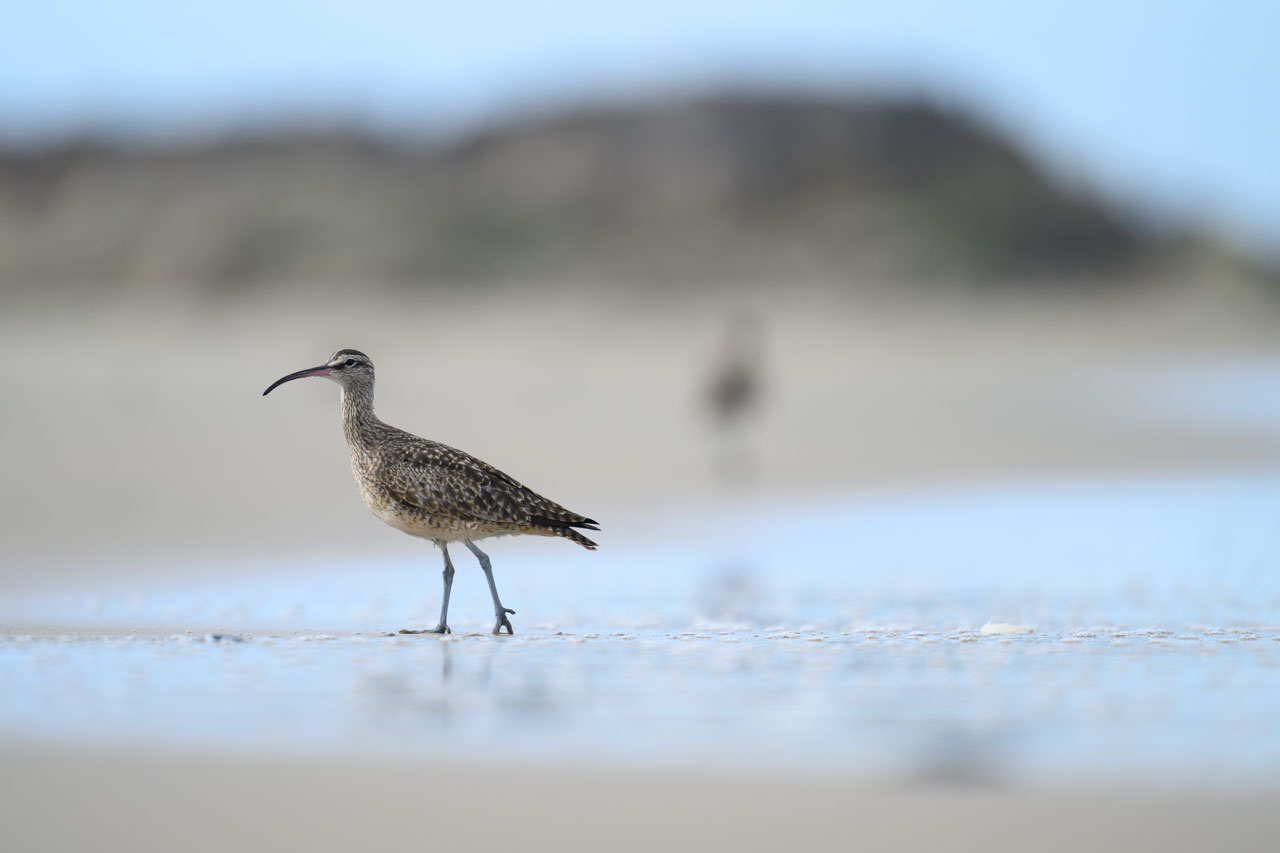
Whimbrel walking along the shoreline at Pescadero Beach in winter
A Whimbrel on the sandy beach.
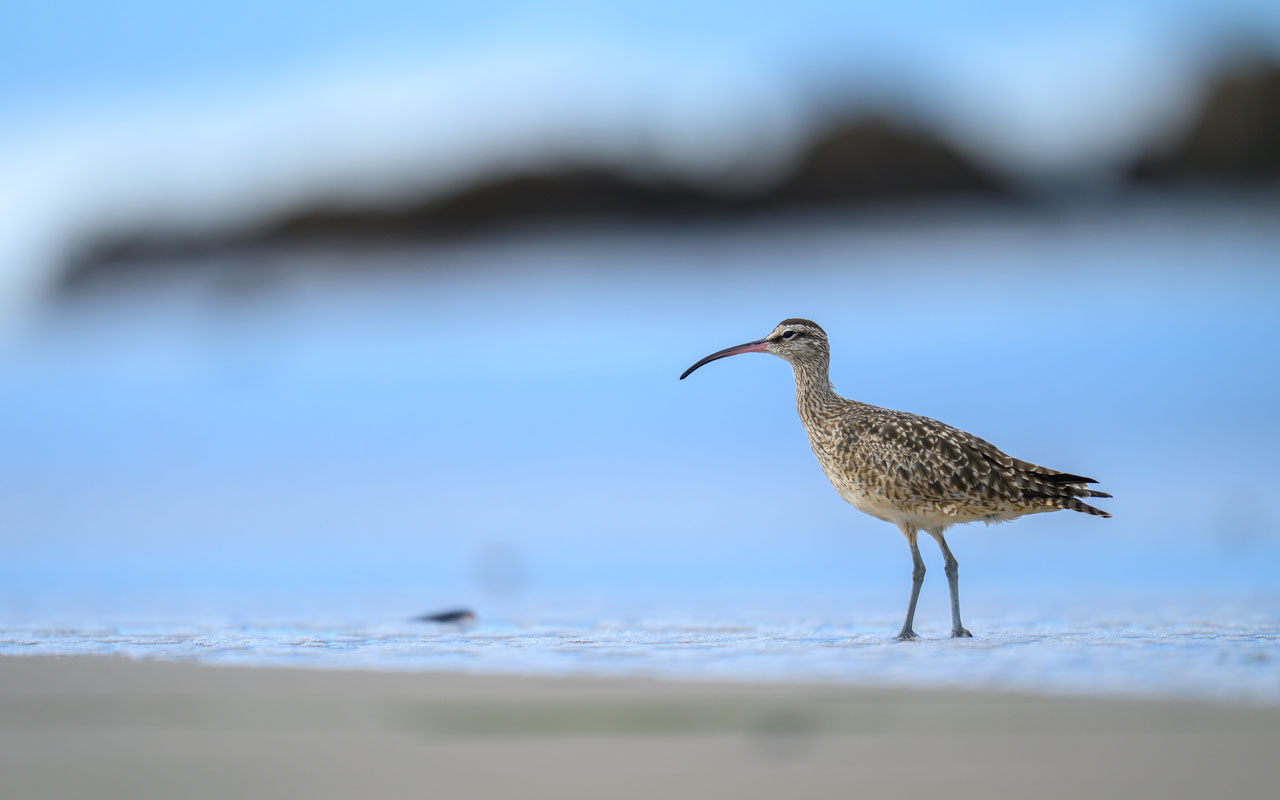
Whimbrel standing at the water’s edge at Pescadero Beach in winter
Against the rocky backdrop.
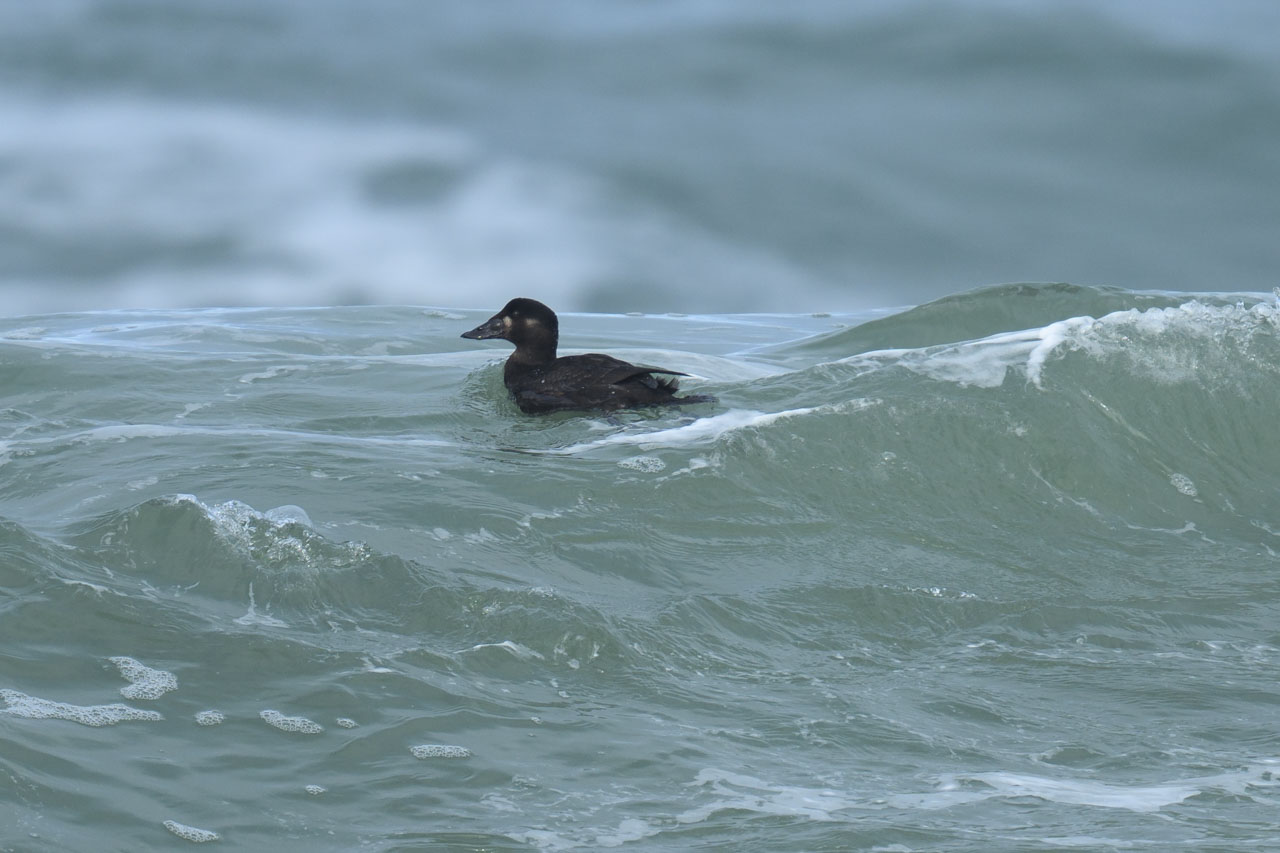
Surf Scoter floating on the waves at Pescadero Beach in winter
A female Surf Scoter floating among the waves. The black feathers with a dull silvery sheen give it a gorilla-like look?
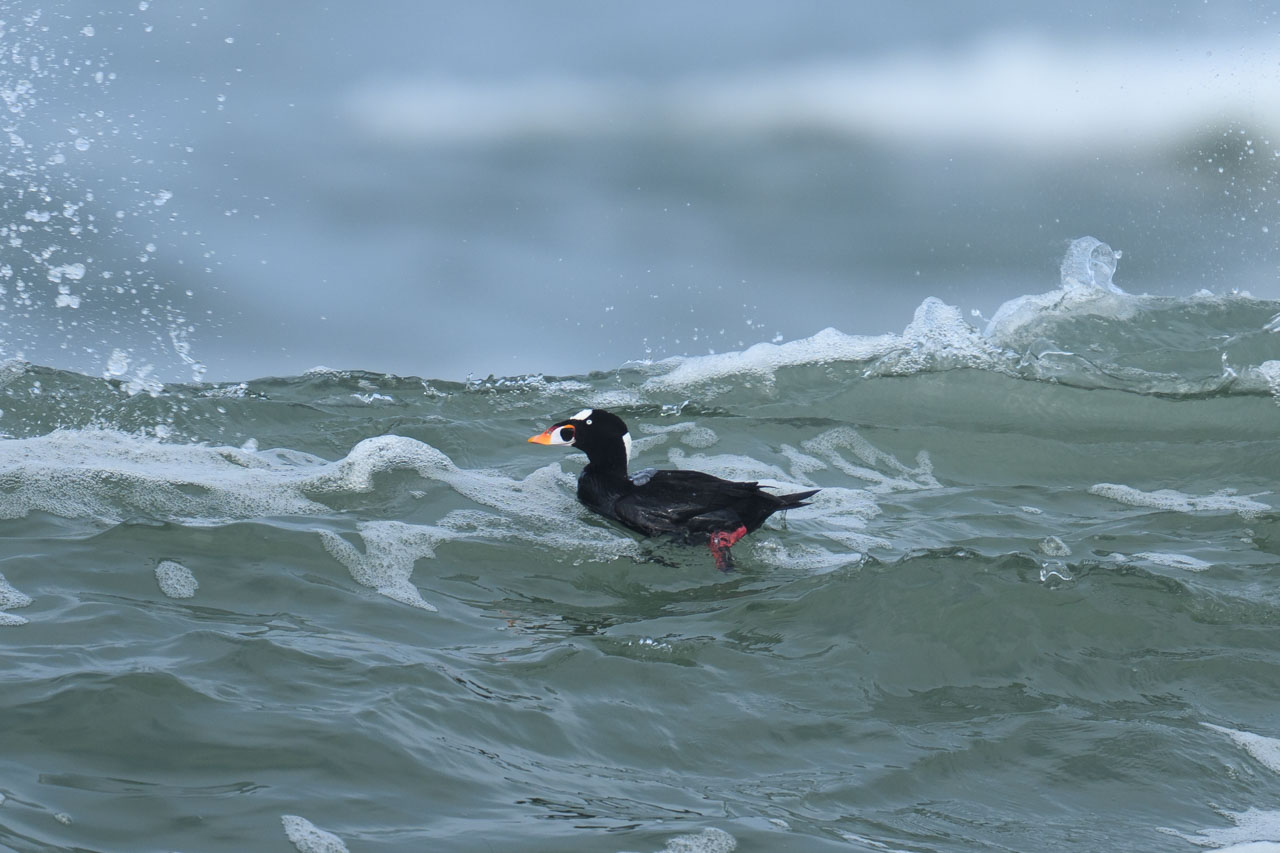
Surf Scoter floating on the waves at Pescadero Beach in winter
The male has an incredibly colorful beak.
Whimbrel foraging at the water’s edge at Pescadero Beach in winter
Whimbrel standing at the edge of the surf as the water washes over the sand.
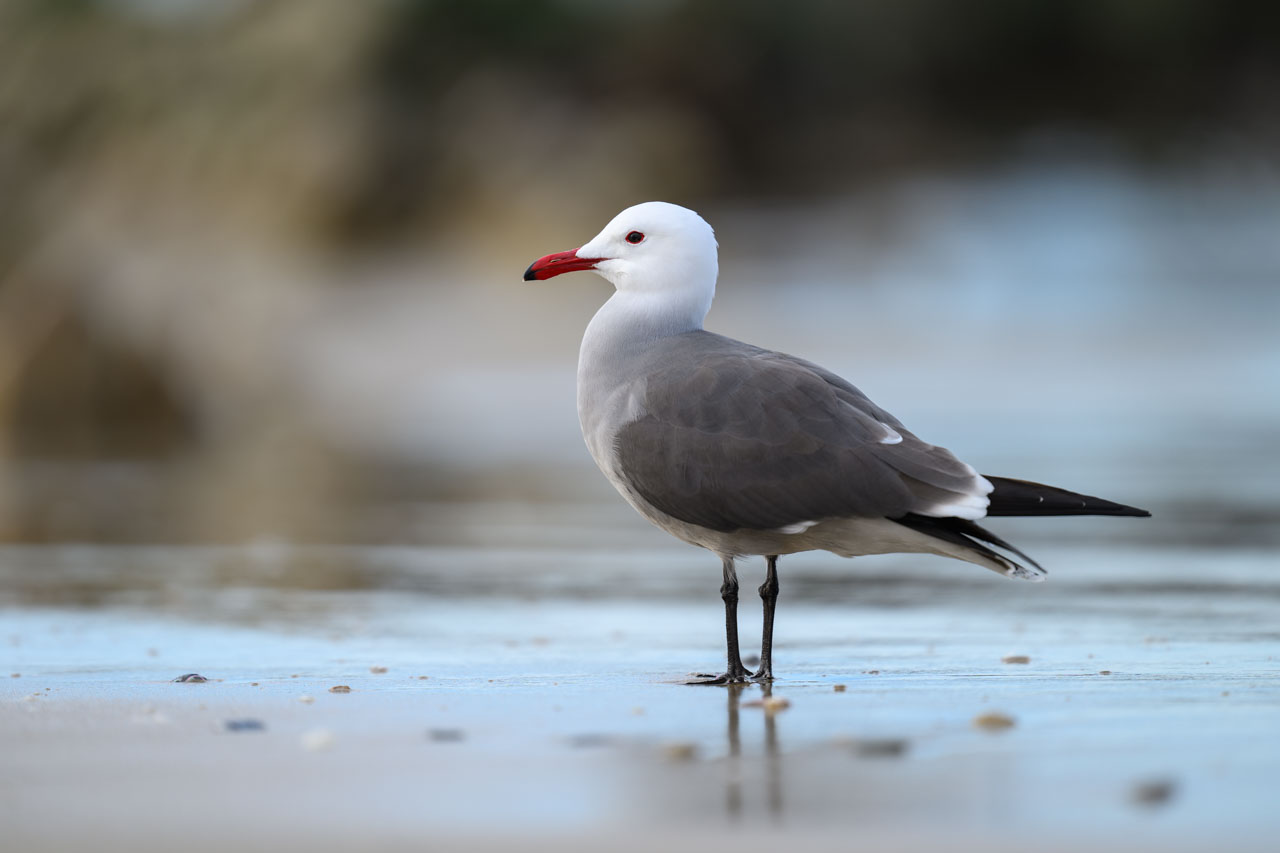
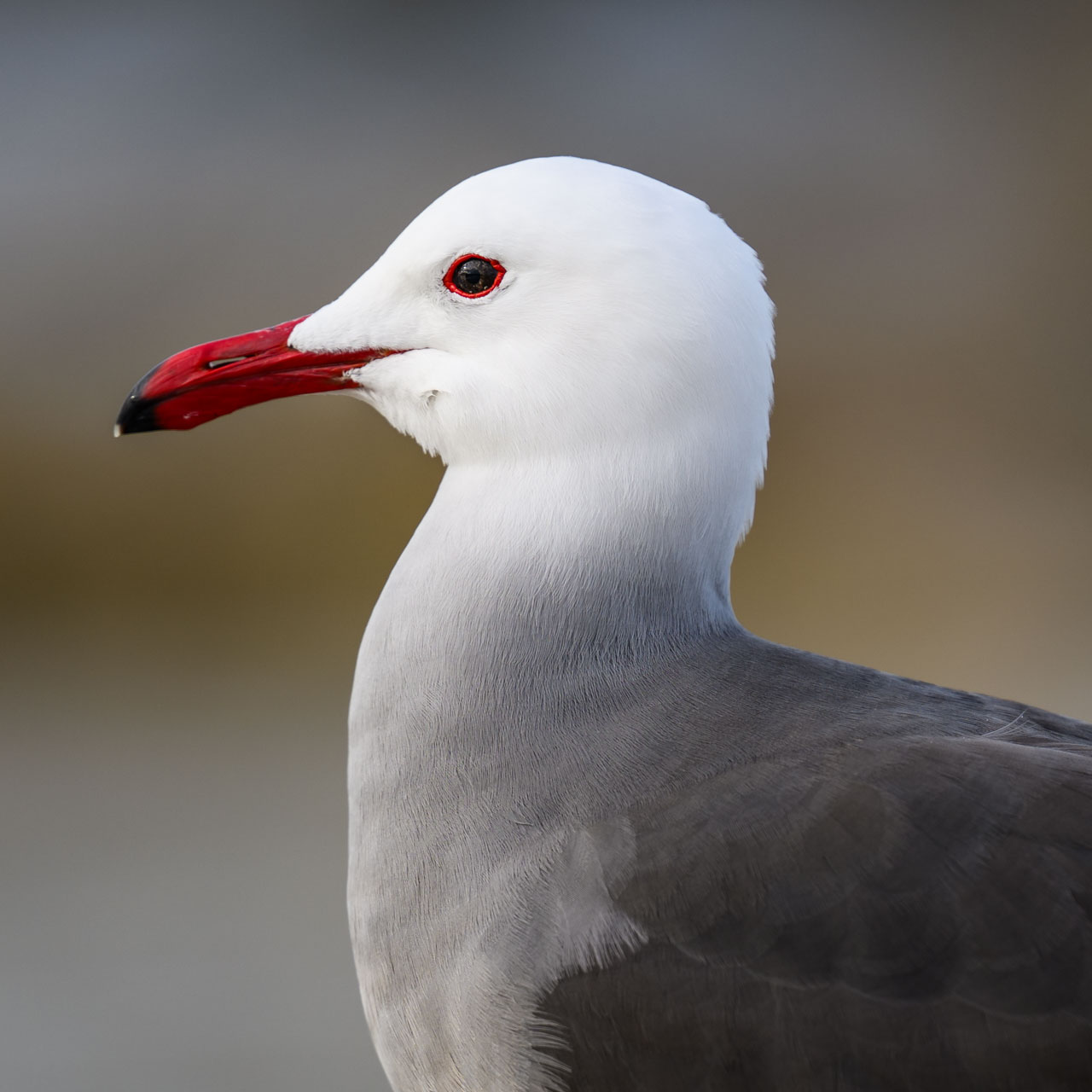
Heermann’s Gull standing at the water’s edge at Pescadero Beach in winter
Heermann’s Gull.
Upper-body portrait of a Heermann’s Gull at Pescadero Beach
The deep red beak and eye-ring contrast beautifully with its monochromatic gradient plumage.
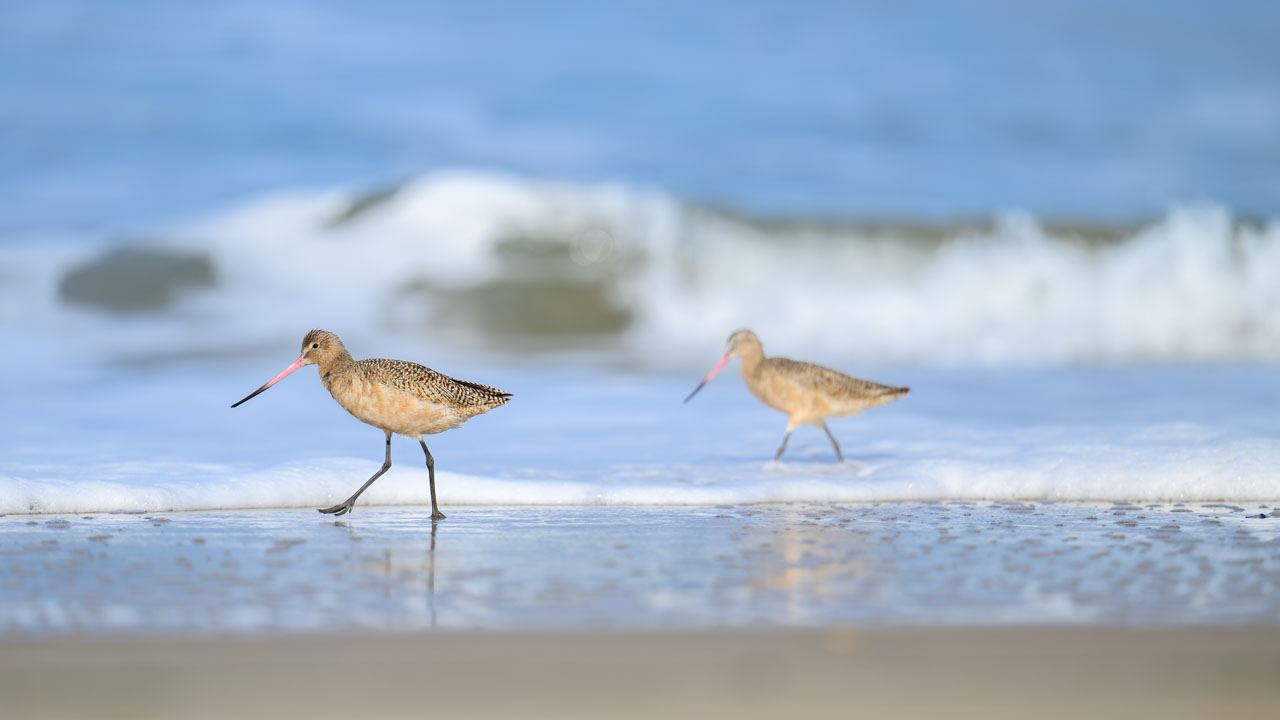
Marbled Godwits walking along the shoreline at Pescadero Beach in winter
In addition to the Whimbrel, there were also Marbled Godwits.
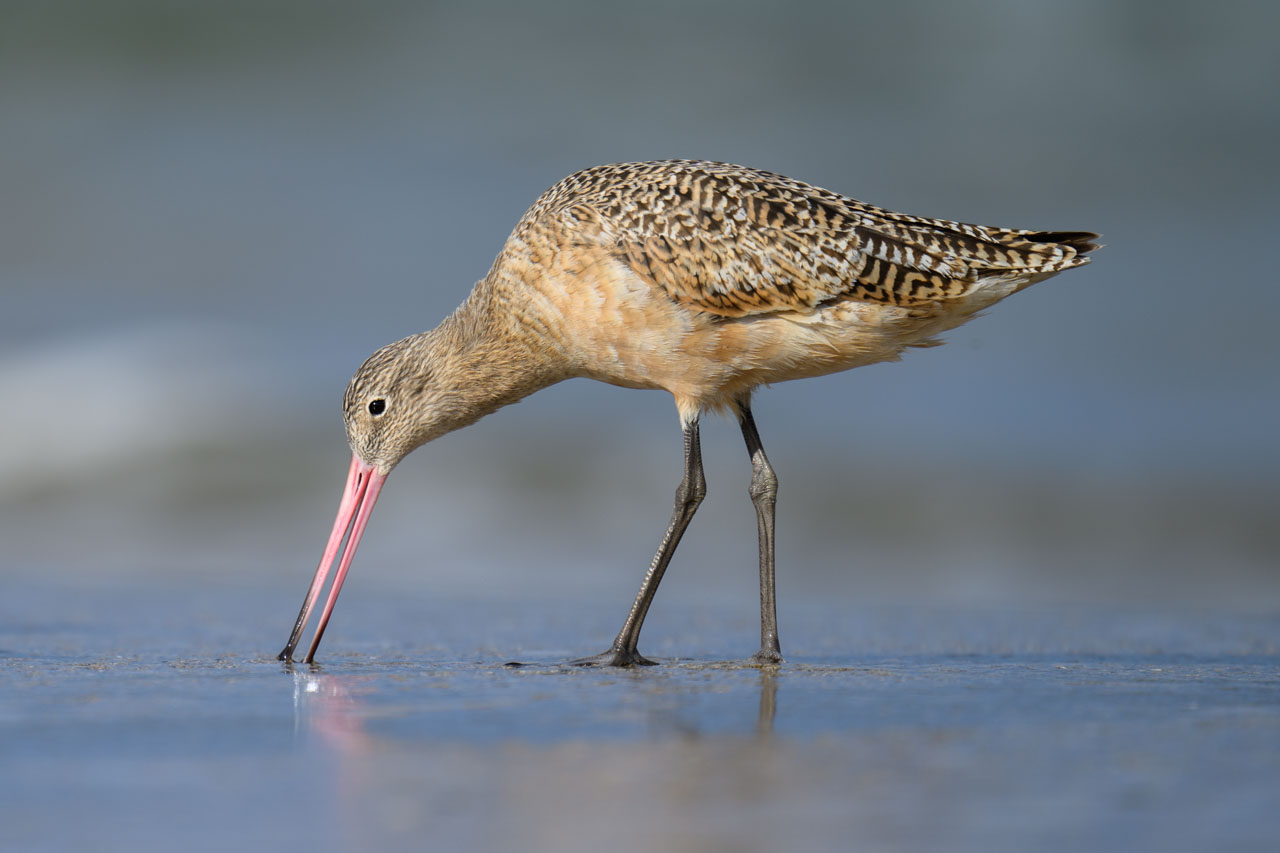
Marbled Godwit foraging on the beach at Pescadero Beach in winter
Using their long bills to probe the sand for food.
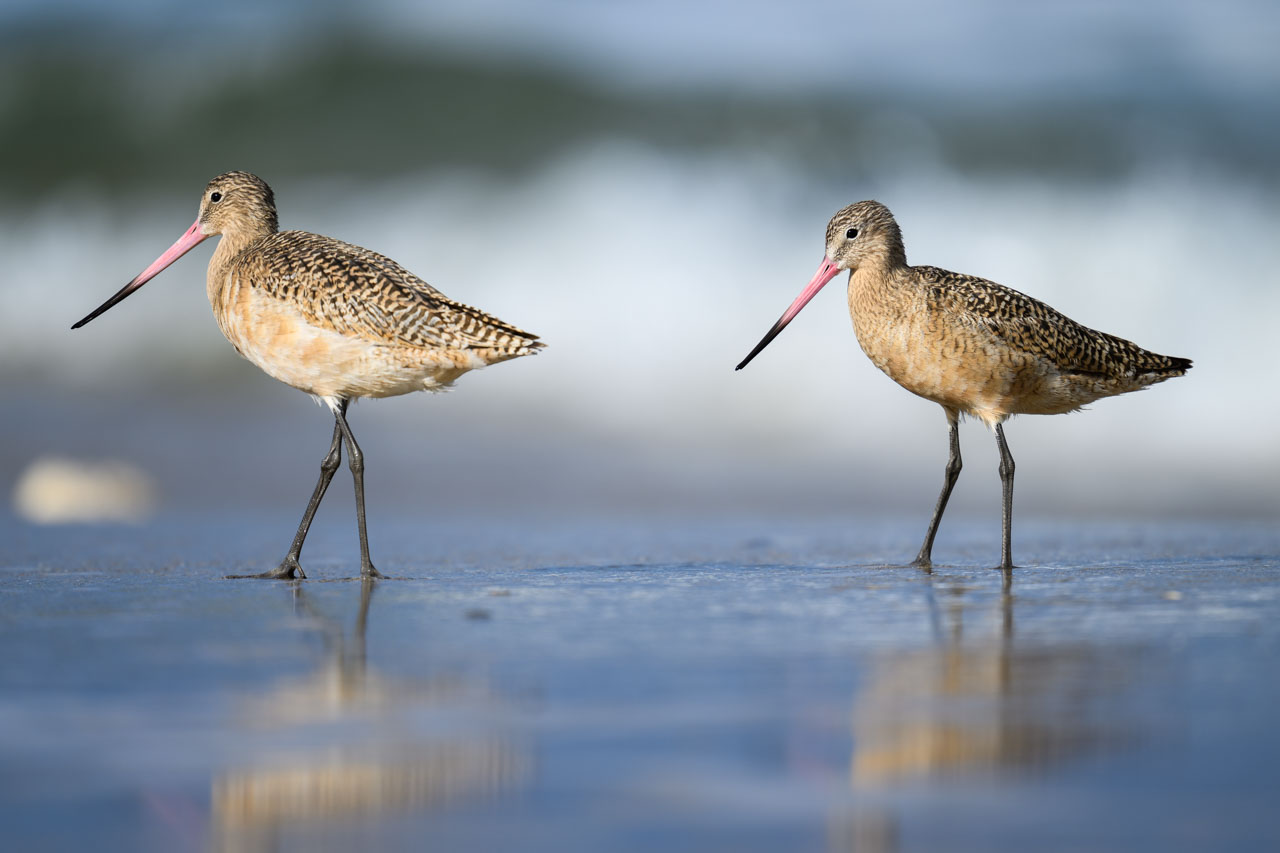
Marbled Godwits walking along the shoreline at Pescadero Beach in winter
I got so absorbed in photographing them that I got my feet wet a few times. The waves here are generally large, and occasional big ones have quite a force behind them.

In the end, I didn’t find any loons, but I had a good observation session. That said, if I return expecting the same success, there’s always the risk of finding nothing at all.
Leave a Reply

Your email address will not be published. Required fields are marked *